Introduction
Bathroom tiles are more than a decorative element; they protect walls and floors from moisture, provide safety, and set the tone for the space. Choosing the right tile involves understanding material performance, maintenance, and design possibilities. This guide helps homeowners and designers make informed decisions that balance aesthetics, durability, and cost, all while meeting EEAT standards for trustworthy guidance.
Understanding bathroom tiles: sizes, materials, and finishes
Tiles come in a range of materials, each with distinct advantages. Ceramic and porcelain tiles are common for both walls and floors due to their durability and moisture resistance. Natural stone offers unique character but requires more maintenance. Glass tiles add reflectivity and optical depth, while cement tiles bring bold, architectural looks. Finish options such as matte, gloss, or honed affect slip resistance and upkeep. When selecting tiles, consider moisture exposure, foot traffic, and the tile’s porosity and water absorption ratings.
Ceramic vs. porcelain: what’s the difference?
Both ceramic and porcelain are clay-based and fired in a kiln, but porcelain is denser, less porous, and typically more durable for floors and high-moisture areas. Porcelain tiles often have smaller water absorption rates, making them suitable for showers and wet zones. Ceramic tiles are excellent for walls and low-traffic areas where a broader range of designs is desirable and cost is a consideration. For many bathrooms, porcelain floor tiles paired with ceramic wall tiles offer a balanced mix of performance and style.
Natural stone, glass, and cement tiles: pros and cons
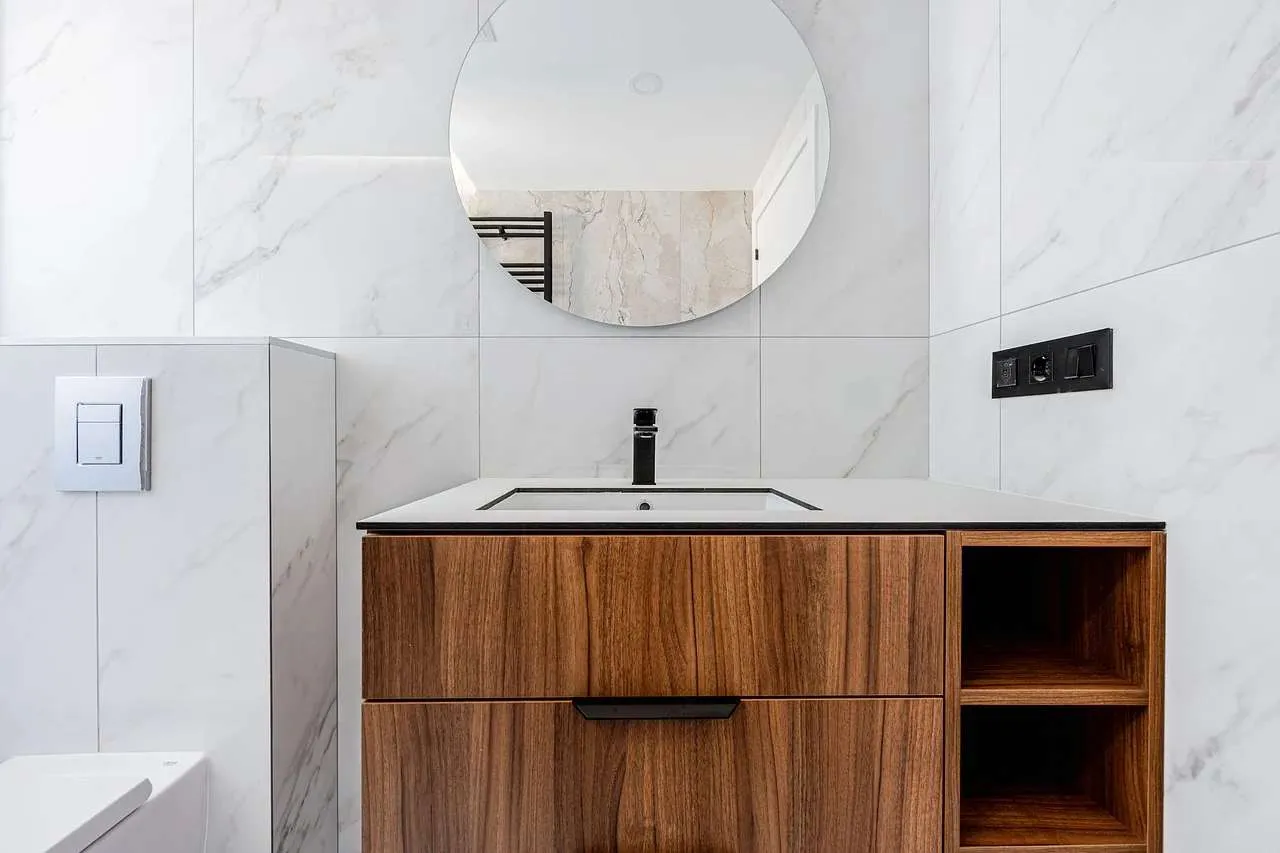
Natural stone (such as travertine, marble, or slate) delivers timeless beauty but requires sealing, regular maintenance, and more careful staining avoidance. Glass tiles provide vibrant color, light diffusion, and easy cleaning but can show smudges and are sometimes slippery when wet. Cement tiles create bold patterns with long-lasting character but can be porous and may need sealing and periodic maintenance. Understanding these trade-offs helps tailor tile decisions to your climate, usage, and design goals.
Design and layout ideas
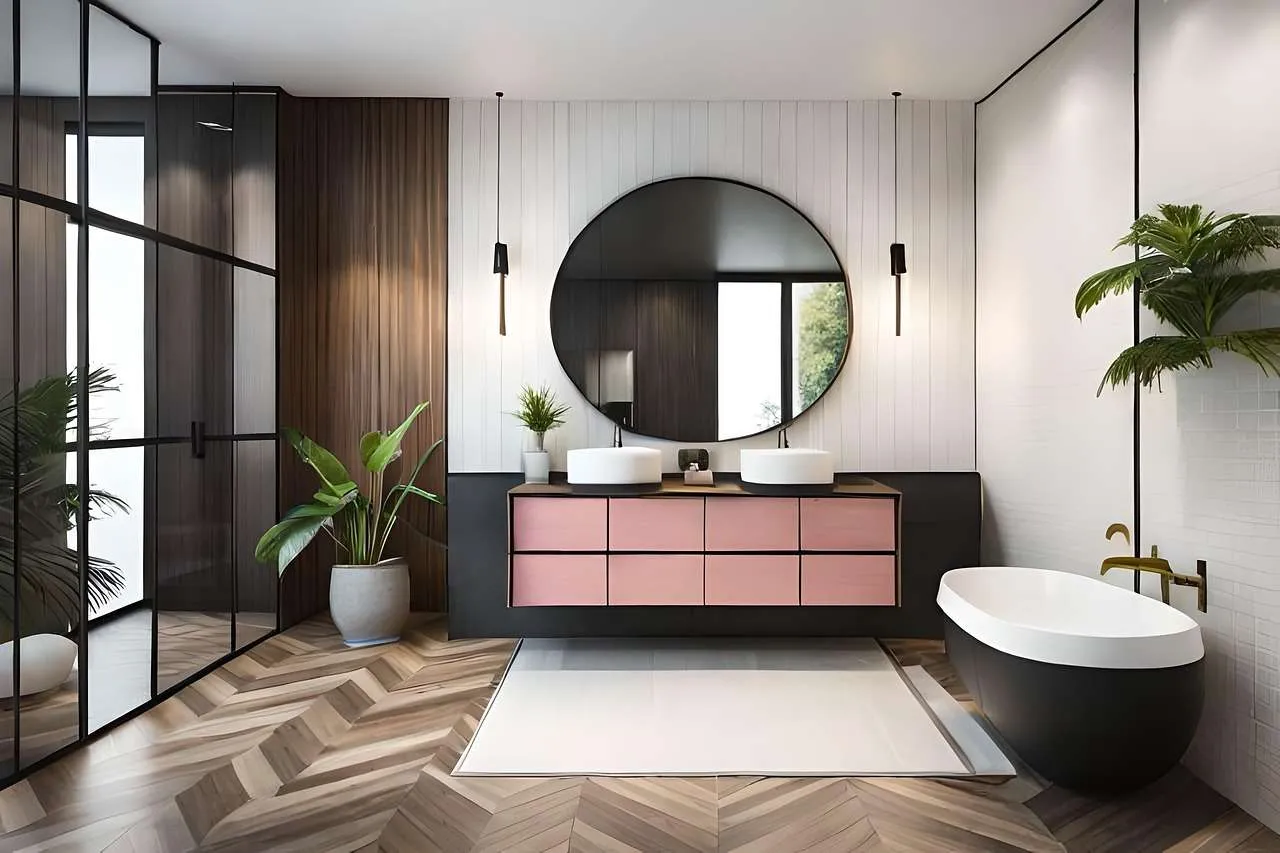
Designing a bathroom with tiles involves more than color. Size, pattern, and grout choices influence perceived space and usability. Large-format tiles can make a small bathroom feel bigger, while smaller mosaics offer texture and slip resistance in wet zones. Patterns such as herringbone, basketweave, or vertical stacks add architectural interest without overpowering the room.
Tile size, patterns, and layout tips
For floors, 12x24 inch porcelain tiles are a versatile choice, balancing ease of installation with a modern look. In showers and backsplashes, consider 3x6 inch or 4x12 inch ceramic subway tiles for a classic feel. Mosaics or small tiles can create intricate borders or shower niches. When selecting patterns, ensure grout lines align with doorways and fixtures for a cohesive appearance. A vertical stack can visually raise ceilings, while a running bond or herringbone adds subtle dynamism.
Color, grout, and care considerations
Grout color should complement or contrast with the tile to emphasize lines or blur joints for a seamless look. Lighter grout on light tiles enlarges the space; darker grout provides definition and can hide wear. For marble or natural stone, use epoxy or cementitious grout with sealing to minimize staining. Matte finishes reduce glare and improve slip resistance, while glossy finishes can highlight color richness but show water spots more readily.
Installation considerations and maintenance
Proper installation is essential for long-term performance. Surface preparation, waterproofing in wet areas, and correct spacing between tiles affect durability. While DIY options exist for small projects, professional installation is recommended for floors, large showers, or heated-floor systems.
Preparation, waterproofing, and sealing
Begin with clean, level substrates. Wet areas require a reliable waterproof membrane, especially in showers and tub surrounds. Porous natural stones typically need sealing before grouting and periodic resealing to prevent staining. Cement-based grout may require sealing in damp rooms, while epoxy grout offers excellent stain resistance and lower maintenance in busy bathrooms.
Cleaning and ongoing care
Use pH-balanced cleaners or tile manufacturers’ recommended products. Avoid harsh acids or abrasive scrubbers on delicate surfaces like natural stone or glass mosaics. Regularly wipe down shower walls to reduce soap scum, and reseal stone surfaces per the producer’s schedule to preserve color and moisture protection.
Quick comparison of common tile types
| Tile Type | Pros | Cons | Best For |
|---|---|---|---|
| Ceramic | Affordable, wide range of designs, easy to cut | Less durable on floors; moderate moisture resistance | Walls, low-traffic areas |
| Porcelain | Dense, durable, excellent moisture resistance | Higher cost; can be harder to cut | Floors, showers, wet zones |
| Glass | Reflective, brightens small spaces; easy to clean | Shows water spots; slippery in some finishes | Accents, backsplashes, shower niches |
| Natural Stone | Unique, premium look; durable with sealing | Porous; requires sealing and maintenance | Bathrooms with high-end design |
| Cement | Bold patterns; large color variety | Porous; staining risk; needs sealing | Statement floors, feature walls |
Conclusion and guidance for choosing the right bathroom tiles
When selecting bathroom tiles, start with the area’s function and moisture exposure, then balance durability, maintenance, and design goals. Pair durable tiles like porcelain on floors with stylish wall tiles to create a cohesive look. Consider slip resistance for floors, appropriate grout choices, and sealing needs for natural stone or cement tiles. A well-planned tile strategy will enhance comfort, safety, and the home’s resale value, while aligning with reputable installation practices and product warranties.
Summary: In summary, choose tile type based on moisture and traffic, pick sizes and patterns that suit your space, seal and maintain natural materials, and hire qualified installers for best results. This approach ensures a beautiful, durable bathroom that remains easy to clean and enjoy for years.