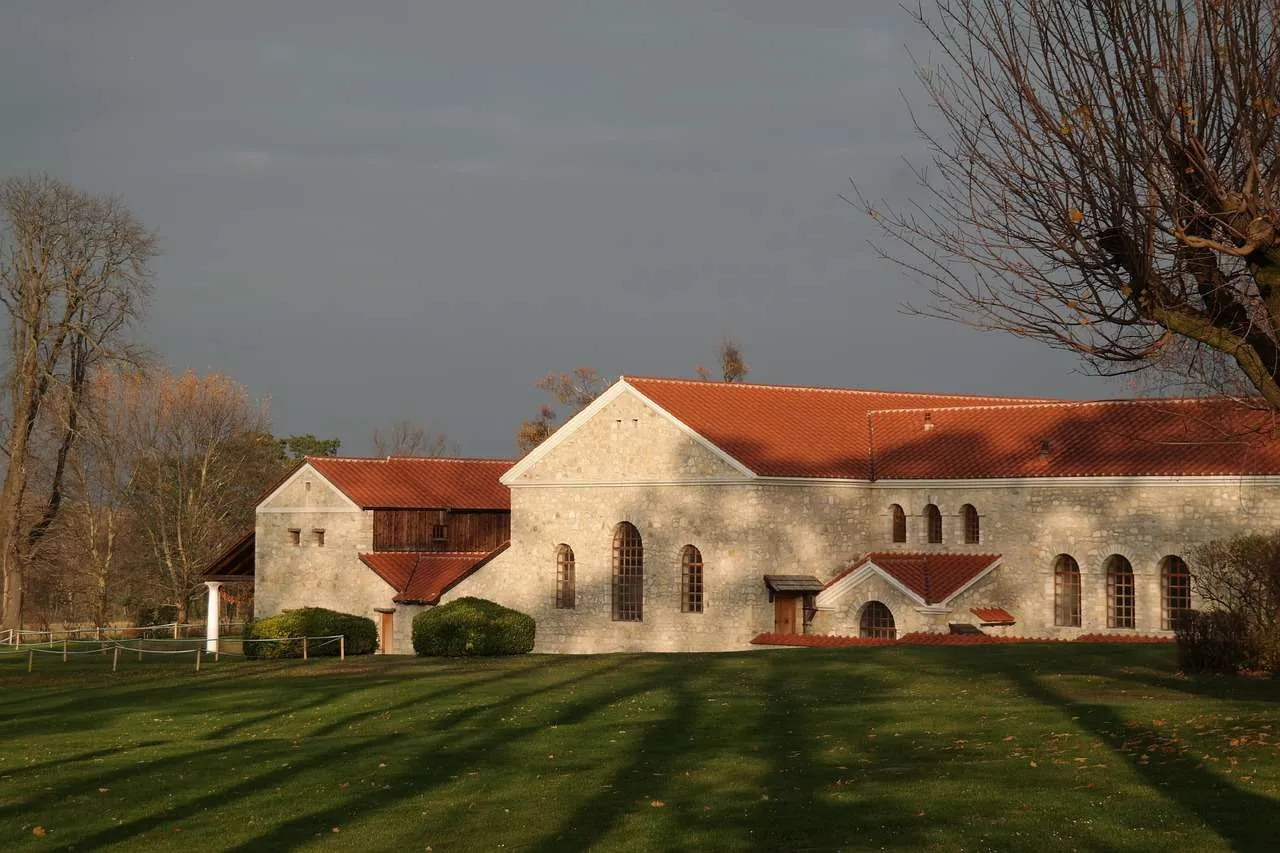
Roofing is a critical component of a safe, energy-efficient home. Roof repairs are essential maintenance tasks that protect against leaks, weather damage, and escalating costs. This article explains the essentials of roofing and roof repairs, how to recognize when repairs are needed, how to choose a trustworthy contractor, typical costs, and practical maintenance tips that support a durable, long-lasting roof based on proven industry practices and expert guidance.
Understanding roofing and roof repairs
Roofing encompasses the materials, installation, and accessories that form the protective envelope above your living space. A well-installed roof keeps water out, buffers temperature changes, and preserves the structural integrity of the home. Roof repairs address localized problems such as leaks, damaged shingles, faulty flashing, or ventilation issues. Regular inspections, especially after storms, help identify issues early and prevent major damage. For homeowners, the goal is to maintain a watertight roof with minimal disruption and cost, while ensuring the work meets professional standards.
Key signs you may need roof repairs
- Missing, curling, or cracked shingles
- Granules in gutters or downspouts
- Water stains on ceilings or walls after rain
- Leaks around chimneys, vents, or flashing
- Sagging or warped sections of the roof deck
- Ice dams or damp insulation in the attic
Recognizing these signs early is essential. A professional assessment can confirm whether minor repairs are sufficient or if more extensive work is needed. Addressing issues promptly often saves money and reduces the risk of interior damage.
Repair vs. replacement: making the right call
Choosing between repairs and replacement depends on damage extent, roof age, and long-term goals. If the roof is relatively young and damage is isolated—such as a few missing shingles or a faulty flashing—repairs are usually cost-effective. If the roof is nearing the end of its useful life, or leaks recur after multiple repairs, replacement may be the better investment. When evaluating, consider energy efficiency improvements, warranty coverage, and potential future maintenance costs. A professional should provide a clear estimate outlining per-issue costs and expected lifespan after repairs.
How to choose a roofing contractor you can trust
Trustworthy contractors bring expertise, reliability, and accountability. Seek licensed and insured professionals with a proven local track record, transparent written estimates, and comprehensive warranties. Ask for references and review their published portfolios or testimonials. Inquire about manufacturer certifications, project supervision, safety protocols, and a detailed inspection report with photos. A credible roofer will explain material options, timeline, clean-up procedures, and aftercare to prevent future problems.
Costs, materials, and return on investment
Material selection and labor influence both repair costs and long-term value. The table below offers a concise snapshot of common materials, their typical lifespans, repair cost ranges, and tradeoffs. Use it to compare options and discuss specifics with your contractor.
| Material | Typical Lifespan | Repair Cost Range | Pros | Cons |
|---|---|---|---|---|
| Asphalt shingles | 20–30 years | 150–600 per repair | Low upfront cost, easy to patch | Moderate durability, granule loss over time |
| Metal | 40–70 years | 300–1000 per repair | Durable, energy efficient | Higher upfront cost, potential noise |
| Tile | 50–100 years | 500–1500 per repair | Excellent longevity, aesthetic appeal | Heavy, requires specialist repair |
Note that repair costs vary by location, access, extent of damage, and roof complexity. A well-documented inspection and a clear, itemized estimate help prevent budget surprises and support informed decisions about repairs or replacement.
Maintenance tips to extend roof life
- Schedule annual or semi-annual inspections, especially after severe weather
- Keep gutters and downspouts clean to ensure proper drainage
- Trim overhanging branches to reduce debris and physical damage
- Ensure attic ventilation and insulation to limit condensation and heat buildup
- Address leaks promptly to prevent structural deterioration
- Check flashing around vents, chimneys, and skylights and reseal as needed
DIY vs professional roof repairs
Most roof repairs should be performed by licensed professionals. Roof work involves fall hazards, electrical lines, and potential structural risk. While basic maintenance such as debris removal or gutter cleaning can be safe with proper precautions, shingle replacement, flashing repairs, or anything involving the roof deck should be left to trained roofers. Hiring a professional also helps maintain warranties and ensures compliance with local building codes.
Conclusion, but the final takeaway is to prioritize safety, use credible contractors, and plan maintenance to protect your investment.
Summary: This guide highlighted common signs of roof damage, criteria for repair versus replacement, how to select a trustworthy contractor, cost considerations with a practical material table, and maintenance practices to extend roof life. By applying EEAT principles—expertise, authoritativeness, and trustworthiness—you can achieve durable results, safeguard your home, and optimize the long-term value of your roof.