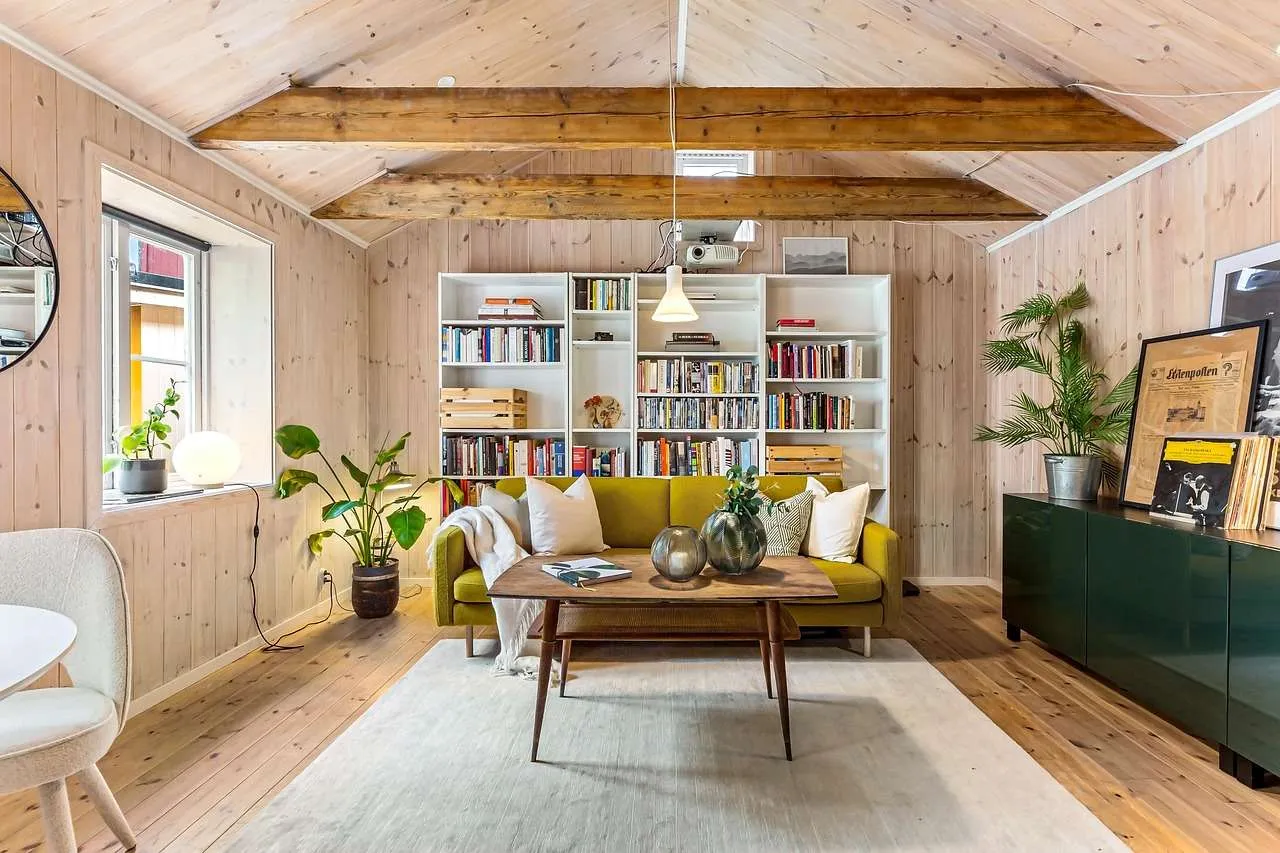
Home window tinting offers comfort, energy savings, and protection for interiors. This guide explains the options, costs, and how to choose a professional installer to ensure safety and quality.
What is home window tinting?
Window tinting uses a thin film applied to glass to filter sunlight, reduce heat, block UV, and improve privacy. For homes, tinting can be fitted to most standard or custom sized windows and can be tailored to climate and local regulations.
Benefits of home window tinting
- Improved energy efficiency and HVAC savings
- UV protection to prevent fading of furniture and fabrics
- Glare reduction for screens and interiors
- Enhanced privacy and aesthetics
- Filtered light reduces hot spots and interior aging
- Potentially increased home value
How window tinting works
The film is made of layered materials that absorb or reflect solar energy. Some films include metalized or ceramic particles that reject heat while allowing visible light to pass. The result is cooler interiors, less glare, and protection from UV rays without significantly darkening the space.
Types of window tint for homes
Dyed window tint
Pros: affordable and non reflective. Cons: less durable, may fade or peel, moderate heat rejection.
Metalized window tint
Pros: strong heat rejection and glare control. Cons: can interfere with some electronic signals and may appear shiny.
Ceramic window tint
Pros: excellent heat rejection, strong UV protection, non reflective, very durable. Cons: higher cost.
Carbon window tint
Pros: good heat rejection, non reflective, durable. Cons: mid range price and performance compared with ceramic.
Hybrid window tint
Pros: balanced performance and price with reduced risk of interference. Cons: not always the absolute best for extreme climates.
Cost, ROI, and things to consider
Costs vary by window size, film type, and installation labor. DIY films are cheaper per square foot but may lack warranty coverage. Professional installation adds cost but typically provides a warranty, bubble-free results, and guidance on local rules. Look at energy savings estimates, climate considerations, and potential payback over several years. Always request product data sheets and warranties before purchase.
Installation considerations: DIY vs professional
DIY tint kits are available, but professional installation ensures proper cleaning, edge trimming, and durable adhesion. A licensed installer will assess glass type, frame compatibility, and climate conditions. For safety and reliability, choose a contractor with liability insurance, proper licensing if required, and verifiable customer reviews.
Maintenance and safety
Clean with a soft cloth and mild soap; avoid ammonia based cleaners that can degrade film. Inspect for bubbling or peeling over time and schedule replacement if needed. Keep warranty documents handy for future claims.
Legal and safety considerations
Local laws often regulate visible light transmission and reflectivity for home windows. Noncompliance can incur fines or require removal. A qualified installer will verify local codes before installation and document light transmission levels to avoid issues.
Comparison at a glance
| Tint Type | Heat Rejection | UV Rejection | Glare Reduction | Durability | Approx. Cost |
|---|---|---|---|---|---|
| Dyed | Low–Moderate | High | Moderate | Moderate | Low |
| Metalized | High | High | High | High | Medium |
| Ceramic | Excellent | High | High | Very High | High |
| Carbon | Good | High | Moderate‑High | High | Medium‑High |
| Hybrid | Moderate | High | Moderate | High | Medium |
Choosing the right installer
Look for licensed, insured professionals with verifiable reviews. Ask for product data sheets, warranty terms, and before after photos. Reputable shops provide transparent pricing and will explain how local laws affect tint selection.
Conclusion
Summary: Home window tinting can deliver comfort, energy savings, and protection when chosen and installed correctly. Understanding tint types, costs, and legal considerations helps homeowners select a film that fits climate, budget, and aesthetics. Partner with a qualified installer to maximize performance and value.