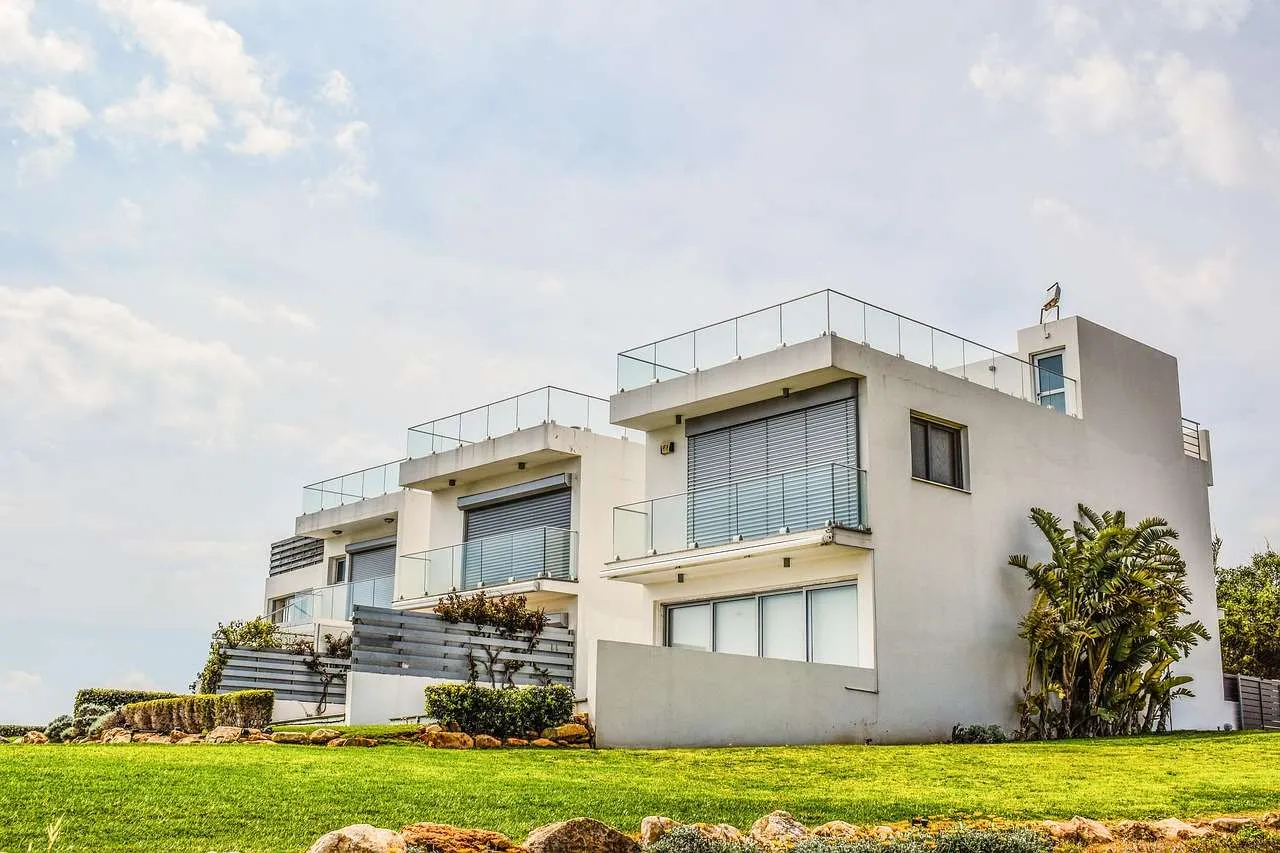
Flat-roof buildings increasingly turn to single-ply membranes for reliable weather protection and long-term energy savings. Among these options, TPO roofing (thermoplastic polyolefin) stands out for its balance of durability, affordability, and reflectivity. This guide explains what TPO roofing is, why it’s popular for flat and low-slope roofs, and how to choose, install, and maintain it to maximize energy efficiency and longevity.
What is TPO Roofing?
TPO roofing is a single-ply membrane made from a blend of polypropylene and ethylene propylene rubber. It is heat-welded at seams to form a continuous, watertight barrier. The membrane is typically white or light-colored to reflect solar radiation, helping reduce cooling loads in hot climates. TPO membranes come in various thicknesses, commonly 45 mils to 60 mils, and can be reinforced with polyester or fiberglass for added strength. Proper installation ensures seamless edges, clean penetrations, and reliable flashing around walls, skylights, and HVAC units.
Key Benefits of TPO Roofing
- Energy efficiency: highly reflective surfaces reduce solar heat gain and can lower cooling costs in warm climates.
- Lightweight and flexible: easier handling on large, flat roofs and compatible with various substrates.
- Durability and repairability: seams are heat-welded, and minor damage can often be repaired with patches without a full replacement.
- Cost-effective: typically lower upfront cost than PVC while offering competitive performance.
- Environmentally friendly: many TPO formulations are recyclable at the end of life.
Installation, Maintenance, and Lifespan
Professional installation by licensed roofers is essential for TPO performance. A proper installation includes surface preparation, correct membrane placement, precise seam welding, and high-quality flashing details. Typical lifespans range from 15 to 25 years, depending on climate, traffic, substrate quality, and routine maintenance. Regular inspections should focus on seams, flashings, penetrations, and edge detailing. Clean gutters and decks to prevent grit buildup that can abrade the membrane. If damage is detected, small patches or rapid repair are often sufficient—well above ground for extending service life.
Cost Considerations and Longevity
Costs for TPO roofing depend on roof size, thickness, substrate, labor rates, and location. Installed prices commonly fall in a broad range, roughly $5 to $8 per square foot. While some projects may be quoted higher or lower, the value comes from durability, energy savings, and a relatively straightforward repair process. Warranties typically run 15 to 20 years, with some manufacturers offering 25-year options when associated with proper maintenance and compatible insulation. Long-term cost planning should factor in energy savings, potential rebates, and the concrete condition of the underlying structure.
TPO vs Other Flat Roof Systems: A Quick Comparison
| Roof Type | Typical Lifespan | Energy Efficiency | Installed Cost (per sq ft) | Pros | Cons |
|---|---|---|---|---|---|
| TPO | 15–25 years | Excellent reflectivity and emissivity | $5–$8 | Lightweight, repair-friendly, strong warranty options | Seam failures possible if poorly installed |
| EPDM | 20–30 years | Good durability; basic reflectivity | $4–$7 | Long track record, simple repairs | Lower reflectivity unless enhanced with coatings |
| PVC | 20–30 years | Excellent energy performance | $6–$9 | Excellent seam strength, chemical resistance | Higher upfront cost |
| Asphalt Shingles (low-slope) | 15–30 years | Low energy efficiency on flat roofs | $3–$6 | Low cost, easy to source | Not ideal for flat slopes; shorter lifespan in some climates |
Choosing a Qualified Contractor and Following EEAT Principles
Applying EEAT principles means seeking expertise, authority, and trust in every step. Start by hiring licensed roofing contractors with verifiable references and local insurance. Look for installers with TPO-specific training or manufacturer certifications and ask for project galleries, warranty terms, and a written scope. Verify that the contractor follows building codes and manufacturer installation guidelines. Request multiple bids to compare prices and timelines, but prioritize proven workmanship and warranty coverage over the lowest price. Finally, review warranty language carefully; a good warranty typically covers membrane integrity, seam integrity, and flashing workmanship for a defined period, with explicit conditions for maintenance requirements.
Maintenance Tips for Long-Term Performance
- Schedule biannual inspections to check for seam integrity and flashings, especially after severe weather.
- Keep the roof surface clean of debris and avoid pressure washing that could damage seams.
- Address ponding or standing water promptly, as TPO membranes rely on proper drainage.
- Ensure any skylights, vents, and HVAC curbs are sealed and periodically resealed as needed.
Incorporating high-quality materials, proper installation, and routine maintenance helps maximize the performance and life of a TPO roofing system, while aligning with modern energy efficiency goals.
Summary: TPO roofing offers a durable, energy-efficient solution for flat and low-slope roofs with a favorable balance of cost and performance. Proper installation, proactive maintenance, and a credible contractor are essential to realize its full benefits and ensure long-term reliability.