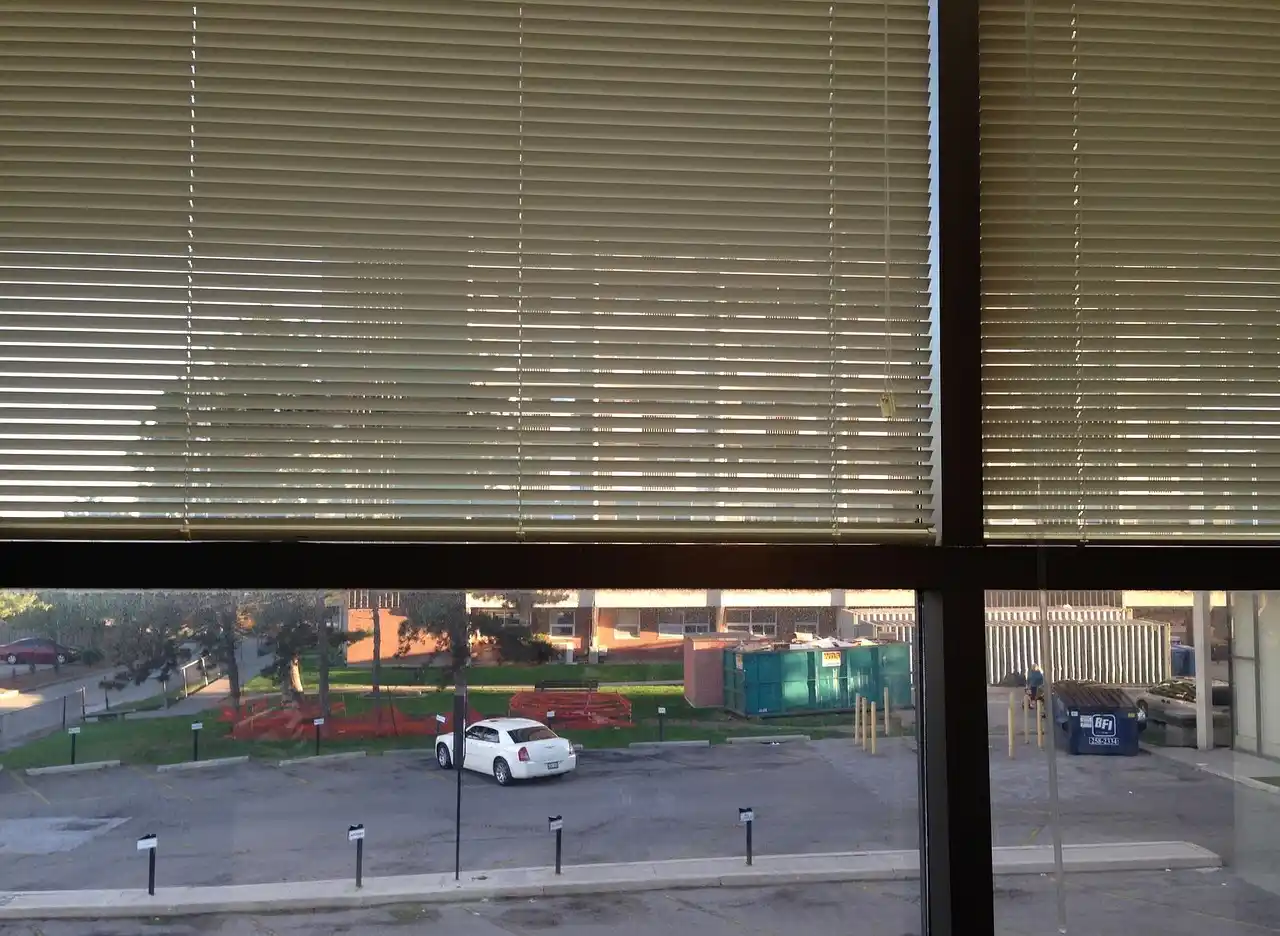
Home window repair is a common home maintenance task that preserves comfort, energy efficiency, and curb appeal. This expert guide explains the most frequent problems, safety steps for DIY work, cost ranges, and how to decide when to hire a licensed professional. By following these guidelines, homeowners can improve performance and avoid costly mistakes while ensuring trust and reliability in the process.
Common signs you need home window repair
Window problems appear in several ways. Look for:
- Drafts or chilly rooms despite closing the window
- Condensation between glass panes, indicating seal failure
- Sticky, misaligned, or hard-to-operate sashes
- Cracked or chipped glass and damaged glazing
- Water leaks, peeling paint, or rotted wooden frames
- Damaged hardware such as hinges, locks, or balance springs
Addressing these issues promptly can prevent further deterioration and save energy costs over time. If you notice continued air leakage, fogging, or structural damage, it might be time to consult a professional.
DIY considerations and safety
Many homeowners can handle minor maintenance tasks, but safety must come first. Consider these guidelines:
- Inspect the window type and glass before attempting any work. Do not remove large panes alone; use proper supports and have a second person assist.
- For weatherstripping, caulking, and track cleaning, wear eye protection and use the correct tools (caulk gun, putty knife, utility knife, and a soft brush for tracks).
- Lubricate moving parts with a silicone-based lubricant; avoid oil-based lubricants that can attract dirt.
- Beware of lead paint on older wood frames; follow local safety guidelines when scraping or sanding.
- Never attempt electrical or structural repairs without proper training and permits when required.
DIY is most suitable for minor seal repairs, weatherstripping replacement, and basic cleaning or lubrication. For glass replacement, frame repairs, or complex operation issues, hiring a professional is usually the safer and more cost-effective choice in the long run.
When to hire a professional
Professional help is advisable for:
- Cracked or shattered glass, or any pane that compromises safety
- Structural frame damage, rot, or significant warping
- Energy-efficient upgrades such as IGU replacement or low-E coatings
- Multistory installations, difficult access, or electrical/locking systems
Seek licensed, insured technicians with clear warranties. Request detailed written estimates and verify past client references. A reputable pro will assess not only the glass but also hardware, seals, and frame condition to prevent recurring problems.
Costs and timelines
Cost ranges vary by window type, size, and location. Rough estimates include:
- Weatherstripping and sealing minor repairs: $5–$40 per window
- Sash cord or balance repair: $20–$60
- Single-pane glass replacement: $100–$300 per pane
- Insulated glass unit (IGU) replacement: $300–$800 per pane
- Full frame replacement (vinyl/wood/fiberglass): $500–$1,200+ per window
Timeline depends on the scope. Minor maintenance can be completed in a few hours, while glass or frame replacements may require scheduling parts and, in some cases, lead times for custom units. Regional labor rates and material costs also influence final quotes.
How to choose a professional window repair service
To ensure EEAT principles are met, evaluate potential installers on these criteria:
- Licensing and insurance coverage, with proof and current certifications
- Clear, written estimates including material and labor costs
- Warranties for workmanship and replacement parts
- Company experience and references from recent projects
- Energy-efficiency options such as low-E coatings, argon gas, and proper glazing choices
Ask about maintenance plans and post-install service. A reputable window professional should provide a detailed assessment, discuss options for improving energy performance, and offer guidance on long-term care to maximize lifespan.
DIY vs Professional comparison
| Aspect | DIY | Professional |
|---|---|---|
| Cost | Lower upfront for simple tasks | Higher upfront but includes labor and warranty |
| Safety/Complexity | Good for minor tasks; high risk for glass/frame work | Specialized safety equipment and expertise |
| Timeline | Typically faster for small tasks | Possible delays for ordering parts |
| Quality/Warranty | Limited or no warranty | Formal warranties and post-service support |
Energy efficiency is a key consideration. Upgrading to double-pane IGUs with low-E coatings and appropriate frame material (vinyl, fiberglass, or wood with proper coatings) can yield noticeable comfort and utility savings over time.
Conclusion or Summary should be included as the last paragraph and begin with Summary
Summary: Home window repair encompasses routine maintenance like weatherstripping, diagnosing condensation or seal failure, and deciding when to hire professionals for glass or frame work. Handling minor fixes promptly saves energy and extends window life, while choosing qualified, insured technicians ensures reliable results and warranties. By balancing DIY tasks with professional help and focusing on energy-efficient upgrades, homeowners can maintain comfort, safety, and the long-term value of their windows.