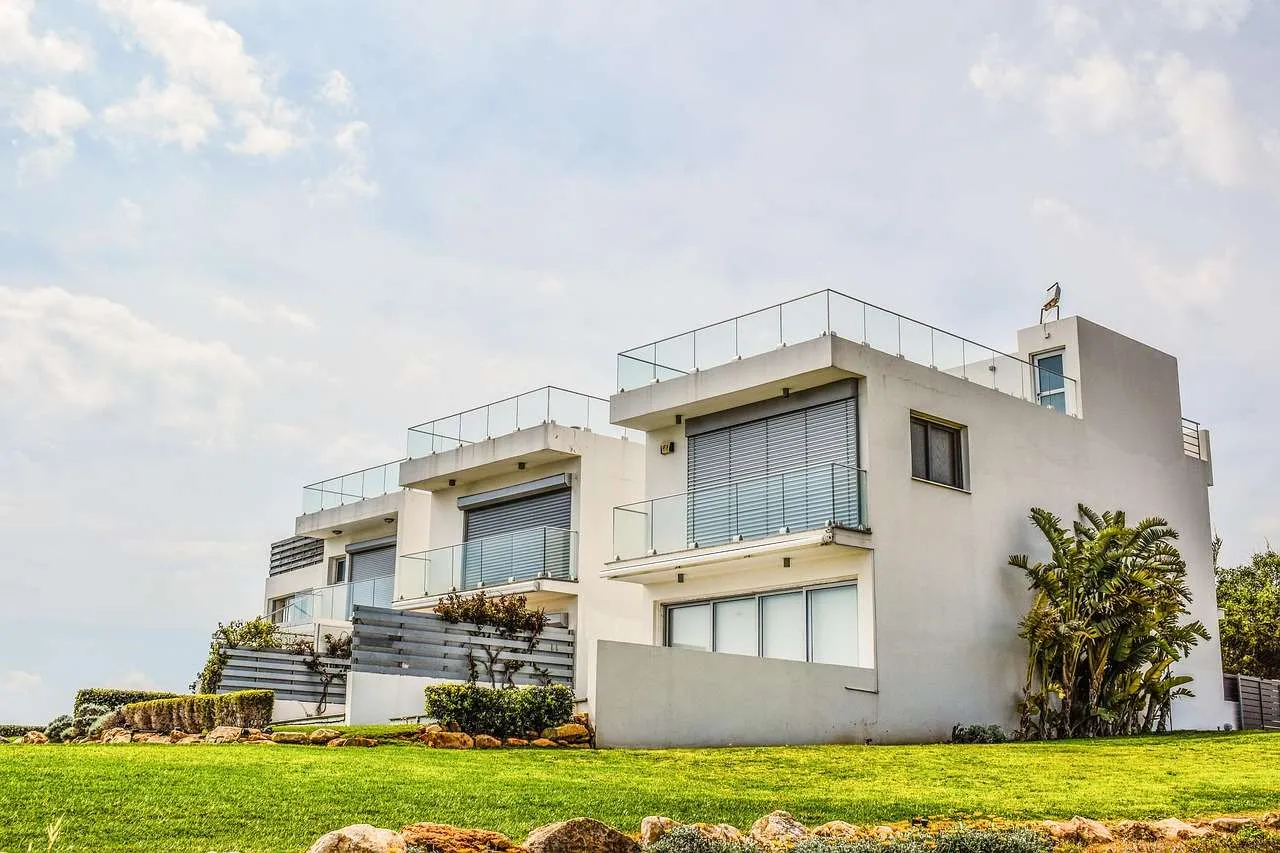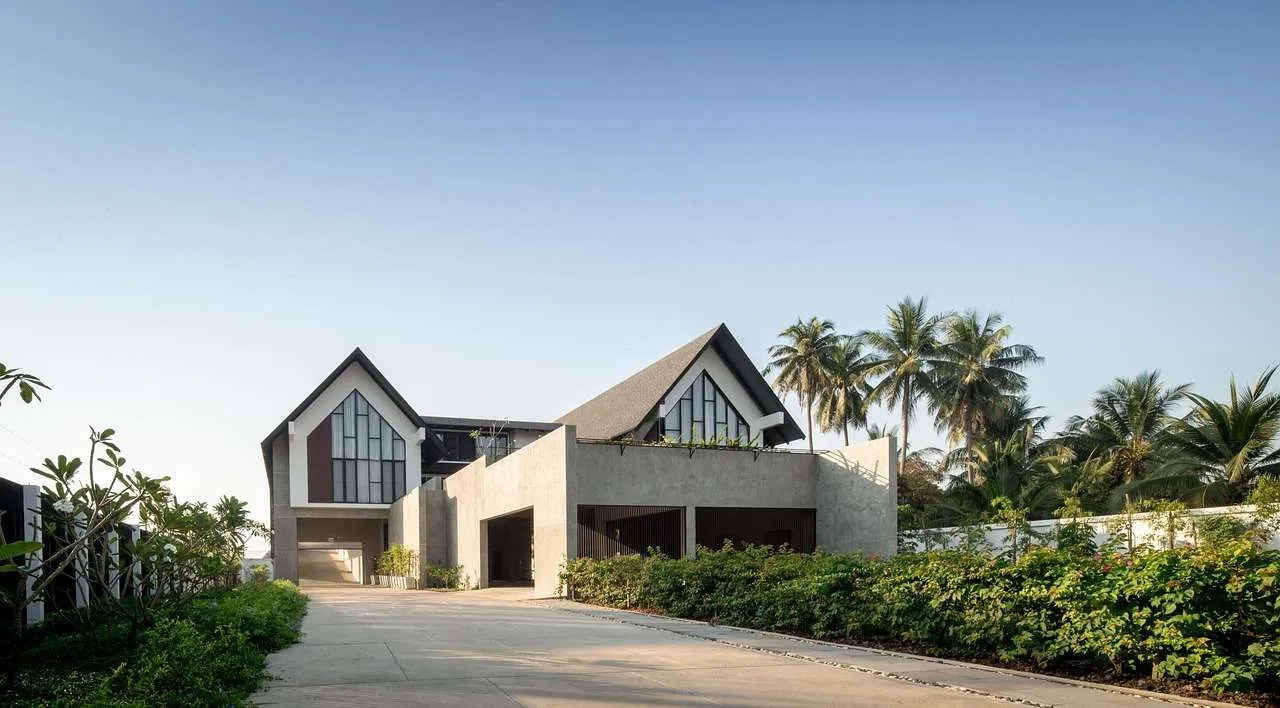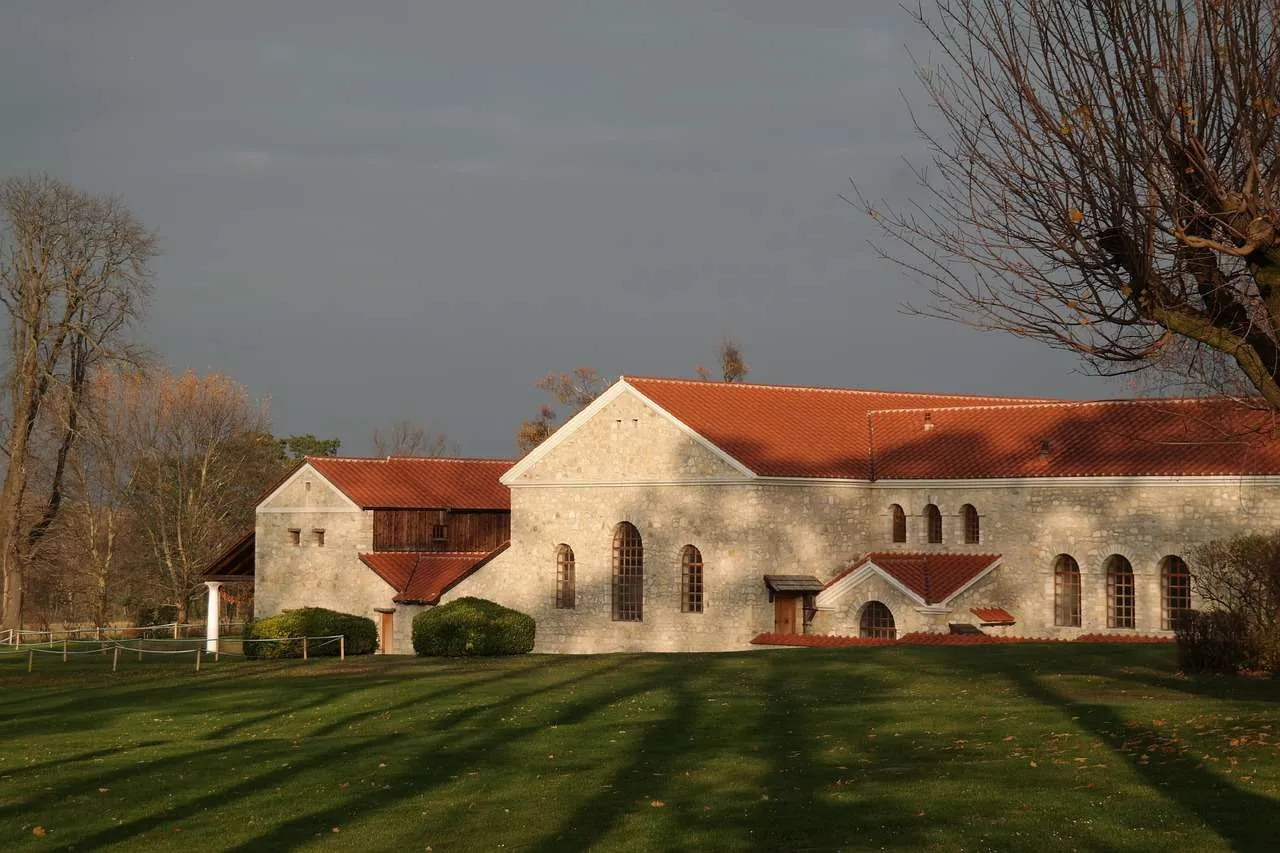
EPDM roofing, short for ethylene propylene diene monomer, is a durable rubber membrane widely used on flat and low-slope roofs. It offers excellent weather resistance, flexibility across temperature changes, and a long service life with relatively low maintenance and installation costs. These attributes have made EPDM a staple choice for commercial roofs and many residential flat roofs alike.
What is EPDM roofing?
EPDM is a synthetic rubber membrane that forms a continuous, seamless layer when installed on a roof deck. It is available in black and white variants, and in widths that suit large roof footprints. The material can be installed using several approaches, including full adhesion, mechanical attachment, or ballasted systems. Each method has trade-offs in terms of speed, cost, wind uplift resistance, and warranty requirements.
Material characteristics and installation options
Black EPDM is cost-effective and excellent in cool conditions where temperature stability matters. White or light-colored EPDM reflects more solar heat, improving energy efficiency in hot climates. Rolls are typically brought to site and joined with seam tape or liquid sealants. The installation method you choose depends on substrate type, roof slope, wind loads, and local climate; a licensed roofer can advise on the best option for your building and warranty terms.
Benefits of EPDM roofing
- Durability: Resistant to wind uplift, hail, ozone, and temperature extremes with a typical lifespan of 20 to 30 years or more when properly installed and maintained.
- Cost efficiency: Moderate upfront costs and straightforward installation often result in lower total costs compared with some other membranes.
- Energy considerations: White EPDM reflects solar radiation, reducing cooling costs in warm climates; black EPDM can absorb heat when needed in cooler regions.
- Repairability: Seams and patches can be repaired with compatible EPDM sealants and patches, simplifying maintenance.
Maintenance and care
Regular inspections are essential for EPDM roofs. Inspect seams, flashings, and edge details at least twice a year and after major storms. Keep drains clear, remove debris, and ensure ponding water is addressed to prevent membrane stress. Clean with mild, non-abrasive products and avoid harsh solvents that can degrade the rubber. Professional inspections and timely repairs help preserve warranty coverage and prolong life.
Common issues and repairs
Common problems include seam aging or peeling at flashing details, punctures from foot traffic or branches, and edge degradation. Leaks typically originate at seams, penetrations, or flashings. Small leaks can often be repaired with patch kits, while larger issues may require membrane replacement or reseaming by a licensed contractor to ensure a proper seal and warranty compliance.
EPDM vs alternatives
Compared with other flat roofing membranes such as TPO and PVC, EPDM offers excellent durability, easy repair, and good long-term performance. The table below highlights typical strengths and limitations to help make an informed choice.
| Material | Durability | Energy Efficiency | Cost | Best For |
|---|---|---|---|---|
| EPDM | Very durable; 20–30+ years | Black for heat absorption; white for reflectivity | Moderate | Flat and low-slope roofs, budgets focused on long life |
| TPO | Good durability; ductile seams | Excellent energy efficiency with white surfaces | Moderate–high | Hot climates needing high reflectivity |
| PVC | Excellent durability; robust seams | High reflectivity, chemical resistance | Higher | Commercial roofs with heavy traffic or chemical exposure |
Cost considerations and lifespan
EPDM costs vary with roof size, membrane thickness, insulation needs, and labor. Typical installed costs are moderate for a single ply system, with options to extend warranty or thickness for higher performance. Expected lifespan is commonly in the 20 to 30 year range, influenced by climate, maintenance, and workmanship. Regular inspections and proactive repairs help protect the investment and keep the roof performing as intended.
How to choose a contractor
To maximize the EEAT value of your EPDM project, work with a licensed roofing contractor who can provide a site assessment, confirm substrate readiness, and present a clear plan for installation, flashing, and puncture protection. Request references, inspect past projects, and verify warranty terms to ensure long-term protection for your investment.
Summary EPDM roofing offers a versatile, durable, and cost-conscious solution for flat and low-slope roofs. Its flexibility, ease of repair, and mature installation methods support long-term performance when properly installed and maintained. By understanding installation options, maintenance needs, and how EPDM compares with alternatives, property owners can make informed choices and work with reputable professionals to safeguard their investment.